

How can we teach our children that money doesn’t grow on trees, when the trees have become digital and invisible? For most of us, our first memories of money are of collecting small change, and witnessing our parents using cash to make everyday purchases. This experience, however, is no longer common – the game has changed, and it has become invisible.

Let’s talk numbers

Rainy Day Investing
Australia, earth’s driest continent, experienced national rainfall in 2017 that was 8% above the historical average. The year was the 30th wettest on record, according to the Bureau of Meteorology.1 But the story is more complicated than that.

7 Keys To Help You Navigate Volatile Markets
Everyone has an opinion about what caused this latest bout of volatility in markets, coming after a long period of relative calm. But the key point for long-term investors is that markets are volatile by nature. Stocks go up and down as information and expectations change. Sometimes, this happens very gradually. Other times it happens more suddenly.
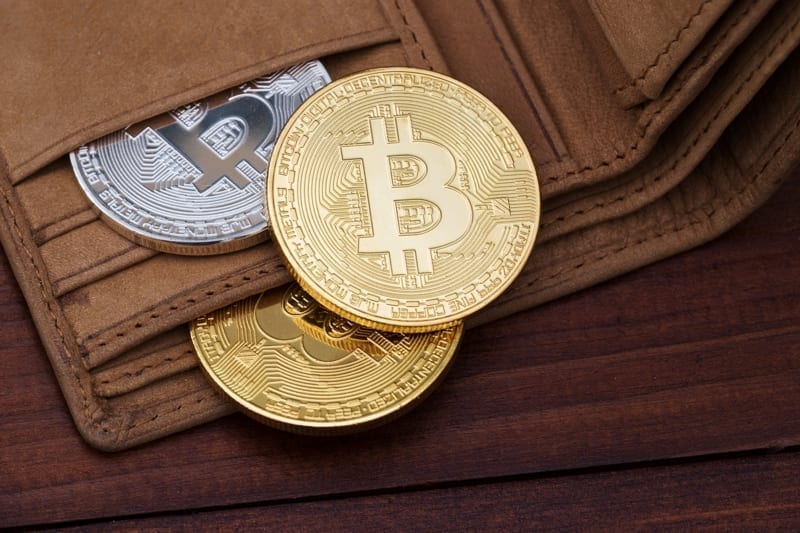
Should You Buy Bitcoin? Ask a Different Question First

FAANG Investing


What happens if you miss the best 25 days of returns on the Australian Share Market?

Buy Blue Chips
Every night on the TV finance news, you’ll hear about the ups and downs of household name stocks, like the big four banks, Telstra, CSL, Wesfarmers, Woolworths, BHP Billiton and Rio Tinto. But the market is more than that handful of names.

How do you break a bad investment habit?
Often these behaviours are the result of conditioned responses. We can have both good and bad investment habits. The key takeaway is understanding how they are created.
In his excellent book, The Power of Habit, Charles Duhigg explains why we continue to do self-destructive things. According to Duhigg, there are three components to forming a habit: cue, routine and reward.